Where Manufacturing and Technology Truly Converge
Why India now delivers manufacturing and technology together?

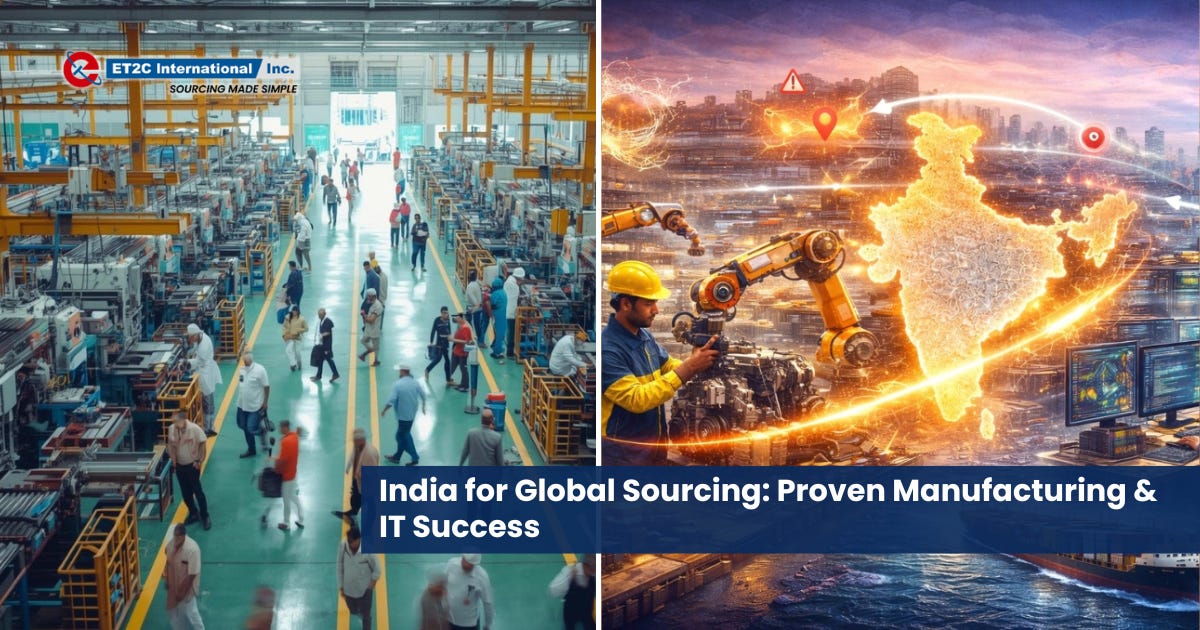
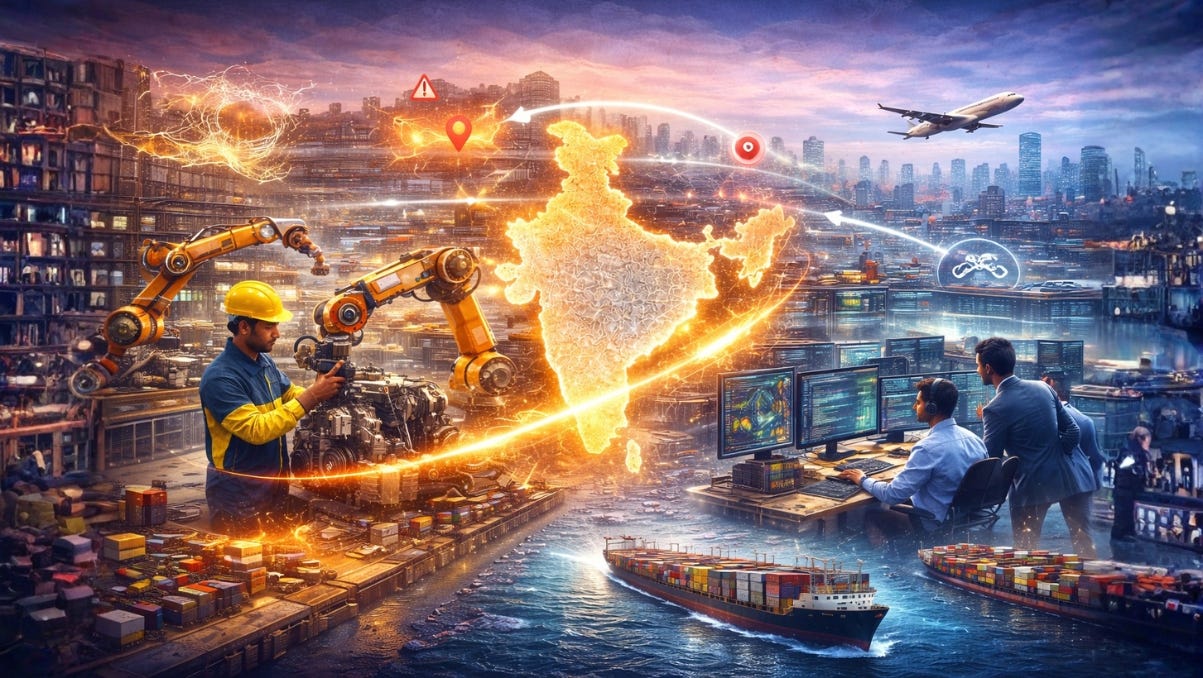
The strongest case for considering India for both manufacturing and IT / tech services lies in the growing convergence of physical production and digital capability. Modern manufacturing is no longer defined solely by machinery, labour, or factory output. It is increasingly shaped by digital systems, real-time data, automation, and software-led decision-making.
Factories today operate on complex digital backbones. ERP platforms, supply chain software, predictive maintenance systems, AI-driven quality control, and data analytics dashboards are now central to manufacturing performance. India’s unique advantage is that the teams designing, implementing, and managing these systems can operate within the same ecosystem as manufacturing operations themselves. This proximity reduces operational friction, improves coordination between teams, and accelerates innovation at scale.
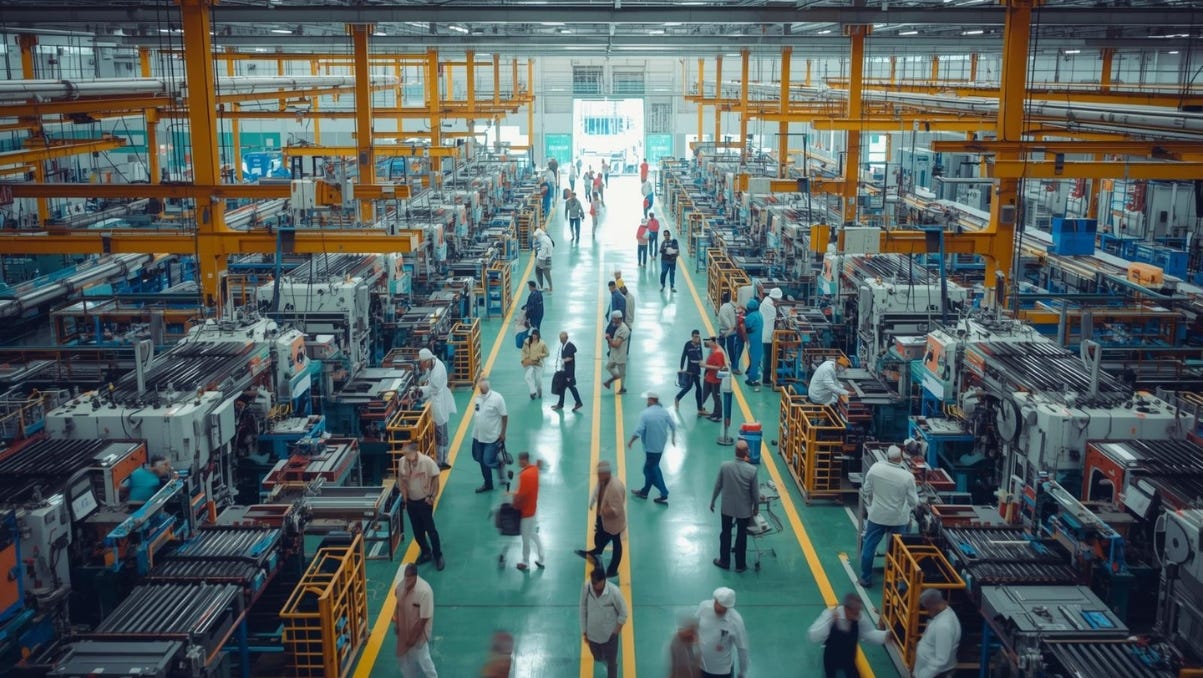
For companies engaged in global sourcing, this integration creates tangible advantages. It allows for tighter control over production planning, improved supply chain visibility, and faster responses to disruptions or quality issues. Instead of managing technology remotely while manufacturing operates locally—or the reverse—India enables a more cohesive, integrated operating model where technology and production evolve together.
Why Global Sourcing Leaders Are Reassessing India Holistically
Increasingly, global sourcing leaders are reassessing India not as a single-function destination, but as a multi-capability sourcing hub. This shift is driven by the growing need for resilience, speed, and operational integration in global supply chains.
India’s combination of manufacturing scale, engineering depth, IT capability, and cost efficiency positions it uniquely within global sourcing strategies. While some emerging manufacturing hubs offer scale without digital maturity, and some technology hubs offer software expertise without production capability, India increasingly delivers both within a single ecosystem.
This holistic value proposition is particularly compelling for companies pursuing China+1 sourcing models. In these strategies, India is no longer a marginal add-on. It is becoming a primary secondary hub, capable of supporting complex, long-term, and technology-enabled operations across multiple industries.
Use Cases Where India Delivers Strong Dual Capability
India’s ability to support both manufacturing and technology is most evident in use cases where digital integration is mission-critical. Many export-oriented factories in India are supported by locally developed enterprise systems that manage production planning, inventory, compliance, and logistics. Technology teams work closely with operations teams to optimise performance, reduce downtime, and improve quality consistency at scale.
Product-based companies are also leveraging India’s dual strengths by placing R&D, software development, and manufacturing within the same geography. This proximity shortens development cycles, improves collaboration between design and production teams, and accelerates time-to-market.
In addition, India plays a growing role in supply chain technology, supporting platforms for vendor management, compliance tracking, logistics optimisation, and export documentation. These capabilities are increasingly critical for Western companies managing complex, multi-country global sourcing networks.

The Challenges Companies Still Need to Navigate
Despite its advantages, India is not a uniform or frictionless market. Capability varies significantly by region, sector, and supplier maturity. Companies that approach India expecting a plug-and-play experience often encounter misalignment, delays, or quality challenges.
One of the most common issues is the disconnect between manufacturing operations and IT strategy. When these functions are treated separately, businesses fail to capture the full value of India’s ecosystem. Successful engagement requires clear governance structures, alignment between digital and operational teams, and strong local execution capability.
India tends to reward companies that invest time in understanding its operating environment and building long-term partnerships, rather than those pursuing purely transactional sourcing relationships.